What Is NMNH?
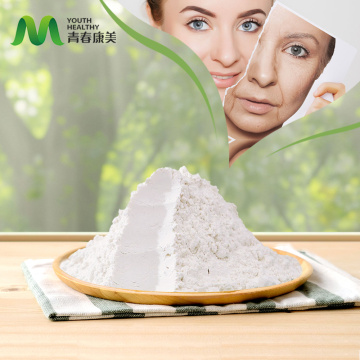
Reduced nicotinamide mononucleotide (English name: reduced nicotinamide mononucleotide, alias: reduced NMN), chemical formula C₁₁H₁₇N₂O₈P, molecular weight 336.23 g/mol, CAS registry number 108347-85-9, Appears as an amorphous yellow powder, primarily used as a research material for anti-aging health products. Exists in two forms: free acid and sodium salt. The sodium salt form has the chemical formula C₁₁H₁₅N₂Na₂O₈P, molecular weight 380.2, and purity ≥98%.
This substance is a precursor to NAD+, capable of elevating NAD+ concentrations in mouse hepatocytes to five times that of NMN in vitro, with faster onset. Following a 250mg/kg injection, blood NAD+ levels peak within one hour and remain elevated for 20 hours. Research indicates it inhibits cellular glycolysis and the tricarboxylic acid cycle, with the sodium salt form applied in nutritional health applications. The research group led by Deng Haiteng at Tsinghua University's School of Life Sciences first achieved its synthesis, discovering that long-term low-dose administration alters physiological functions in mice and reduces cell growth rates. Industrial-grade products have a purity ≥99%, with no safety concerns reported across 19 clinical trials.It is one of our best-selling products in the Hot Health Product Raw Material category.
Scientific mechanism advantages of NMNH:
As a reduced derivative of NMN, NMNH has a molecular morphology closer to the NADH metabolic pathway. In terms of in vivo conversion efficiency, NMNH exhibits the following professional characteristics:
1. Shorter conversion pathway: It can be quickly converted to NAD+by NAD+synthase, with higher efficiency than traditional NMN.
2. Strong antioxidant capacity: can directly eliminate free radicals, improve cell red oxygen balance, and protect mitochondrial structure.
3. More friendly to the SIRT pathway: activates key longevity proteins such as SIRT1/3, which regulate mechanisms such as cell repair, autophagy, and telomere elongation.
4. High blood-brain barrier penetration: It has the potential to provide stronger nutritional supply to the nervous system, which is beneficial for the prevention and control of neurodegeneration.
These mechanisms determine that NMNH is not a "substitute" for NMN, but an upgraded version that will become a strategic molecule for the next stage of precision anti-aging technology.
Potential and strategic value of NMNH market application:
According to Frost&Sullivan's 2025 Blue Book of Anti Aging Ingredients, NMNH is predicted to become the fastest-growing molecule among NAD+nutrients in the next 5 years, driven by three main types of demand:
1. Chronic disease intervention: used to improve sub-health, hypertension, diabetes and other cell energy metabolism disorders.
2. Female cycle regulation: Combining endocrine support ingredients to regulate ovarian function and hormone levels.
3. Neurological nutrition: applied to neurological health areas such as cognitive decline, anxiety, and brain fatigue.
Harsh Storage Conditions
The preservation of NMNH requires relatively stringent environmental conditions. For instance, low-temperature, light-protected, and dry storage methods are necessary to maximize its activity. However, even under these conditions, NMNH still faces degradation issues. Ordinary packaging materials cannot fully block oxygen from the air, and even sealed packaging struggles to maintain NMNH's purity over extended periods. Consequently, high-barrier packaging materials are typically required, and inert gases may be introduced to slow oxidation. Yet, this also leads to persistently high storage and usage costs for NMNH, further limiting its widespread commercial application.




 Contact Now


 Youth Biotech CO,. Ltd.


