Bitter melon (scientific name: Momordica charantia) is an annual climbing plant of the Cucurbitaceae family, widely cultivated in tropical and subtropical regions such as Asia, Africa and the Caribbean. Bitter melon (scientific name: Momordica charantia) is an annual climbing plant of the Cucurbitaceae family, widely cultivated in tropical and subtropical regions such as Asia, Africa and the Caribbean. Its extract is mainly taken from mature fruits, seeds and vines.
Bitter melon consists of a complex array of beneficial compounds. The medicinal value of bitter melon is mainly attributed to the high antioxidant properties of phenols, flavonoids, isoflavonoids, terpenoids and glucosides. Its hypoglycemic mechanism mainly involves pancreatic protection, stimulation of insulin secretion from β-cells and insulin-like effects, in which a variety of components such as triterpenoids, glycosides, steroids and peptides have hypoglycemic effects.Khanna P et al. found that bitter gourd contains insulin-like polypeptide polypeptide -P, and then a lectin with insulin-like activity was isolated from the seeds of bitter gourd.
Bitter melon has been included in the category of traditional Chinese medicine in ancient times. Bitter melon is bitter in odor, non-toxic and cold in nature, with the effects of clearing away heat, brightening the eyes and detoxifying the toxin, diuretic and cooling the blood, relieving fatigue and clearing the mind, and benefiting the qi. The hypoglycemic effect of bitter melon is summarized below. Hypoglycemic components of bitter melon extract-
1) Peptides
Bitter melon extract is a typical cucurbit triterpenoid. The peptide-p or p-insulin in the composition is an insulin-like hypoglycemic protein with hypoglycemic efficacy similar to that of insulin, and it lowers blood glucose in gerbil humans. Recently, some scholars have cloned and expressed the bitter melon polypeptide p gene and demonstrated the hypoglycemic effect of the recombinant polypeptide in diabetic mice.
2) Alkaloids
Another major compound isolated from bitter melon seeds is a glycol alkaloid called nestin. Intraperitoneally, this pyrimidine nucleoside has been shown to induce hypoglycemia in non-diabetic fasted rats.
3) Saponins In the available literature, it is understood that bitter melon saponins are the clinically active ingredients in bitter melon, but not all of them have hypoglycemic effect, among them n-butanol extract phase (bitter melon extract-B) has hypoglycemic effect on both normal and tetroxin diabetic mice.
4) Polysaccharides
Bitter melon polysaccharides have a variety of biological activities such as antioxidant, antidiabetic, immune enhancement, neuroprotective, antitumor and antibacterial. Bitter melon alkaline polysaccharide (MCB) and water polysaccharide (MCW) can reduce fasting blood glucose in streptozotocin STZ-induced diabetic mice. The MCB fraction was more effective in lowering blood glucose, and MCW at a dose of 500 mg/kg lowered blood glucose in diabetic mice more effectively than D860.
Persistent hypoglycemic effect of bitter melon polypeptide
In the 1970s, V.S. Baldwa et al. used hypoglycemic peptides extracted and purified from bitter gourd and bitter gourd tissues and administered them by subcutaneous injection to 9 diabetic patients (8 males and 1 female, aged 16-52 years, with a duration of illness ranging from 3 months to 10 years) for the determination of fasting blood glucose. The results showed that the plant insulin “bitter melon polypeptide” had a long-lasting hypoglycemic effect on diabetic patients, significantly lowering the blood glucose level; the effect of subcutaneous injection was apparent in 30-60 minutes, and the better effect was achieved in 6 hours; and no allergic reaction was observed.
Subsequently, Khanna et al. showed significant hypoglycemic effect in 19 diabetic patients (15 males and 4 females, primary diabetes mellitus, age 15-56 years, duration of the disease from 3 months to 8 years) by subcutaneous injection of peptide P- ZnCl2. Juvenile diabetic patients showed greater hypoglycemic effect in about 4-8 hours, and no side effects were found in three cases of juvenile diabetic patients injected with Peptide-P- ZnCl 2. Moreover, one case of juvenile diabetic patient, who often suffered from side effects such as headache, face swelling and stomach pain due to long-term injection of crystalline bovine insulin, no longer suffered from the above mentioned side effects after the injection of Peptide-P- ZnCl 2.
Bitter melon peptide has more obvious hypoglycemic advantages than other ingredients.
As an edible vegetable and medicinal plant, bitter melon has high medicinal and health care value, especially in hypoglycemia. A series of studies conducted by scholars at home and abroad on the hypoglycemic polypeptide of bitter melon basically confirmed the hypoglycemic effect of bitter melon hypoglycemic polypeptide. Compared with other hypoglycemic components such as saponins and polysaccharides in bitter melon.
Medicinal Value:
The fruit is rich in charantin and peptides (such as MCIP-1), the seeds contain triterpenoids, and the vines contain special enzymes.Charantin can lower blood sugar and activate insulin secretion;Peptides can simulate insulin function and enhance cellular sugar metabolism;Triterpenoids can resist inflammation and oxidation and inhibit cancer cell proliferation;Vitamins and minerals include vitamin C (higher than citrus), potassium, magnesium and dietary fiber;
Product Features:
Momordica Charantia Extract is known for its "low calories and high nutrition". Its dietary fiber content is 2%, and it is a natural metabolic regulator. The product's selling point is that it has over a thousand studies supporting its blood sugar-lowering and antioxidant effects; it has no chemical additives, which is in line with the clean label trend;
Function:
1.Lower blood sugar
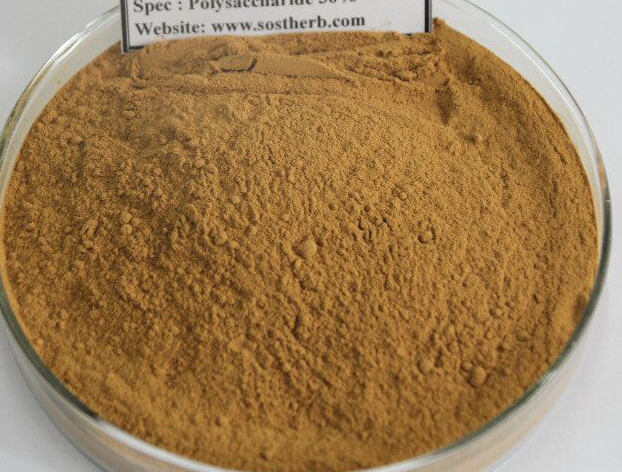
Momordica charantia glycosides and peptides work synergistically to improve insulin resistance.
2.Anti-inflammatory Raw Material and anti-aging
Remove free radicals, protect cardiovascular and liver.
3.Promote digestion and reduce fat
Enzymes accelerate fat decomposition, and dietary fiber enhances satiety.
4.Antibacterial and antiviral
Inhibit intestinal pathogens and herpes simplex virus.
5.Skin repair
Reduce acne inflammation and brighten skin tone.
Application:
1.Health products and medicines :
As a core ingredient for lowering blood sugar, capsules and tablets are developed to help improve insulin resistance; some countries have included it in the system of adjuvant treatment drugs for diabetes.
2.Functional foods
Made into bitter melon tea, meal replacement powder, and low-sugar beverages, using its metabolic and fat-reducing properties to meet healthy dietary needs.
Added to anti-acne gel and anti-aging essence, it exerts anti-inflammatory, antibacterial and antioxidant effects, and is targeted at oily skin and sensitive skin care.
4.Agriculture and industry
Extract bitter melon protease for beer clarification to improve production efficiency; its bioactive ingredients can also be developed into green pesticides to replace chemical agents.
5.Traditional medicine
In Asian countries, bitter melon has long been used to clear heat and reduce fire, detoxify and detoxify, and modern research has further expanded the boundaries of its medicinal value.
Security:
Momordica charantia extract is generally considered safe, but excessive intake may cause gastrointestinal discomfort. It is recommended that special groups such as pregnant women consult a professional before consumption.
Related products:
We Youth Biotech also provide customized service as your requirements . Welcome to send your requirement details to us.
In addition to momordica charantia extract 10:1,20:1,we also have momordica charantia powder and charantin 10%. If you need it, please contact us.
References:
1. Sheng Qingkai. Isolation and purification of hypoglycemic polypeptide-P from bitter melon and study on hypoglycemic mechanism[D]. Jiangnan University, 2005.
2. Sheng Qingkai, Yao Huiyuan. Isolation of polypeptide-P from bitter melon and its hypoglycemic activity[J]. Journal of Wuxi University of Light Industry (Food and Biotechnology), 2005,(01):49-51.
3. LIU Hongyu, FU Zhongping, ZHOU Jiyan, et al. Research progress of hypoglycemic polypeptide from bitter melon[J]. Shanghai Journal of Traditional Chinese Medicine, 2008,(07):89-91.
4. CHEN Shuzhen, MOU Shumin, LIU Yufan, et al. Research progress on hypoglycemic effect of bitter melon extract[J]. World Digest of Latest Medical Information, 2018, 18(92):87-88+91.


 Contact Now


 Youth Biotech CO,. Ltd.


