





Send Message
Privacy statement: Your privacy is very important to Us. Our company promises not to disclose your personal information to any external company with out your explicit permission.
 Youth Biotech CO,. Ltd.
Select Language
English
For decades, the “8 hours sleep rule” has been widely regarded as the gold standard for sleep health. Modern sleep medicine, however, reveals a far more nuanced reality: sleep duration is not equivalent to sleep quality. True restorative sleep relies on intact sleep architecture, and crucially, sufficient deep&wave (slow&wave) sleep — the physiological phase dedicated to memory consolidation, tissue repair and immune regulation.
Even with adequate time spent in bed, frequent sleep fragmentation or insufficient deep sleep proportion often leads to daytime fatigue, poor focus and mood swings. The core issue is no longer “how long you sleep”, but how much physiological repair your body completes overnight.
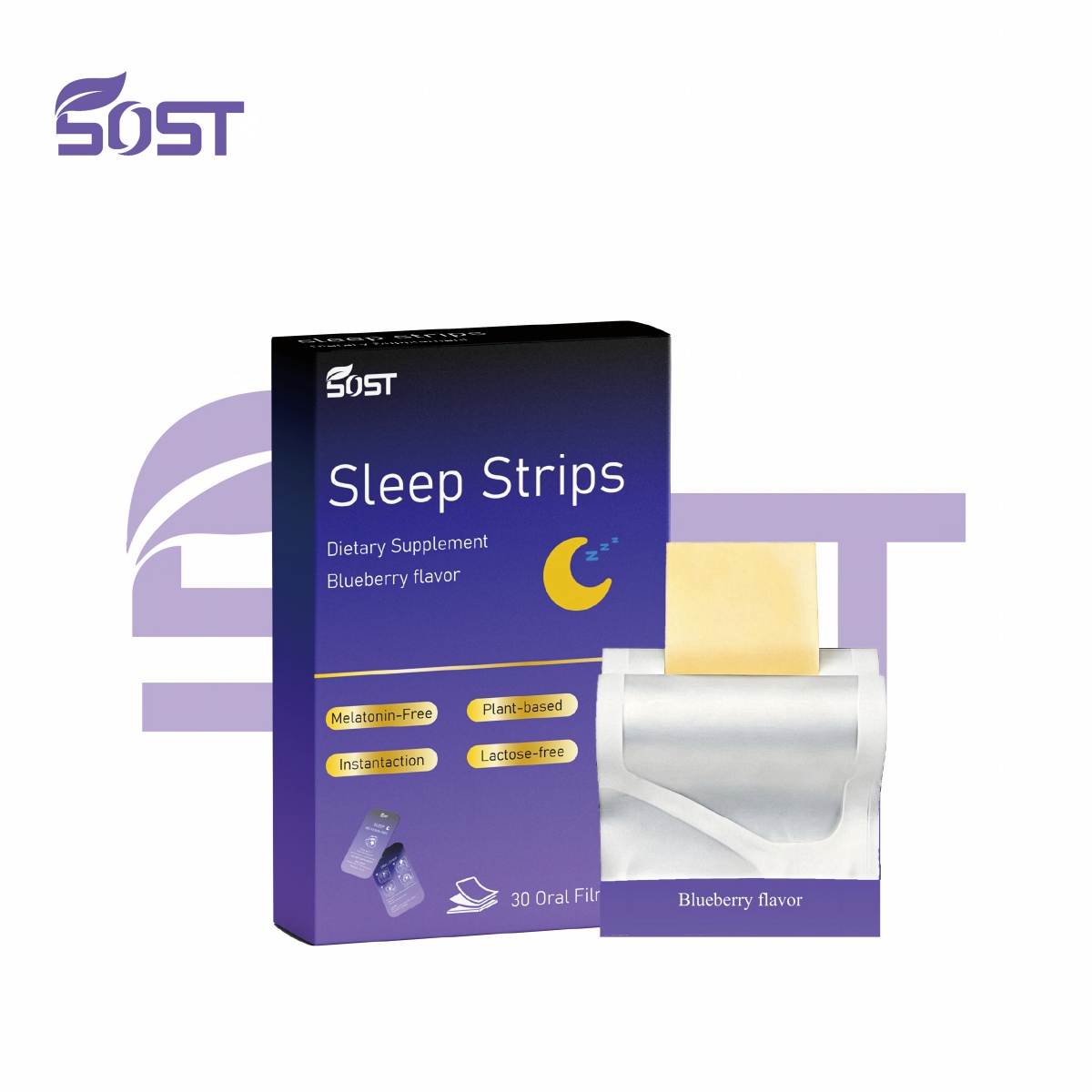
Melatonin is an endogenous hormone secreted by the pineal gland. Its primary function is to deliver circadian timing signals, rather than triggering sleep via sedation. A 3 mg dosage is commonly adopted in clinical trials to help initiate sleep related biological signals, without forcing drowsiness.
Exogenous melatonin supplementation works best as a circadian cue, not a high dose sleep inducer. Over dosing may disrupt your body’s natural melatonin rhythm, which explains the growing clinical interest in low dose supplementation strategies.
Prunus cerasus (tart cherry) is one of very few whole food sources containing detectable endogenous melatonin. In a randomised, double blind, placebo controlled crossover trial (n = 20), 7 day supplementation with concentrated tartcherry juice significantly raised urinary melatonin levels (P < 0.05), alongside statistically significant improvements in total sleep time, time in bed and sleep efficiency.
A 2025 systematic review covering seven intervention studies further supported these outcomes: three trials reported measurable gains in sleep duration, efficiency or sleep onset latency, and another three recorded elevated melatonin concentrations. Researchers concluded that anthocyanins and other phenolic antioxidants in tart cherry may deliver synergistic sleep benefits through anti inflammatory and antioxidant pathways, independent of melatonin content.
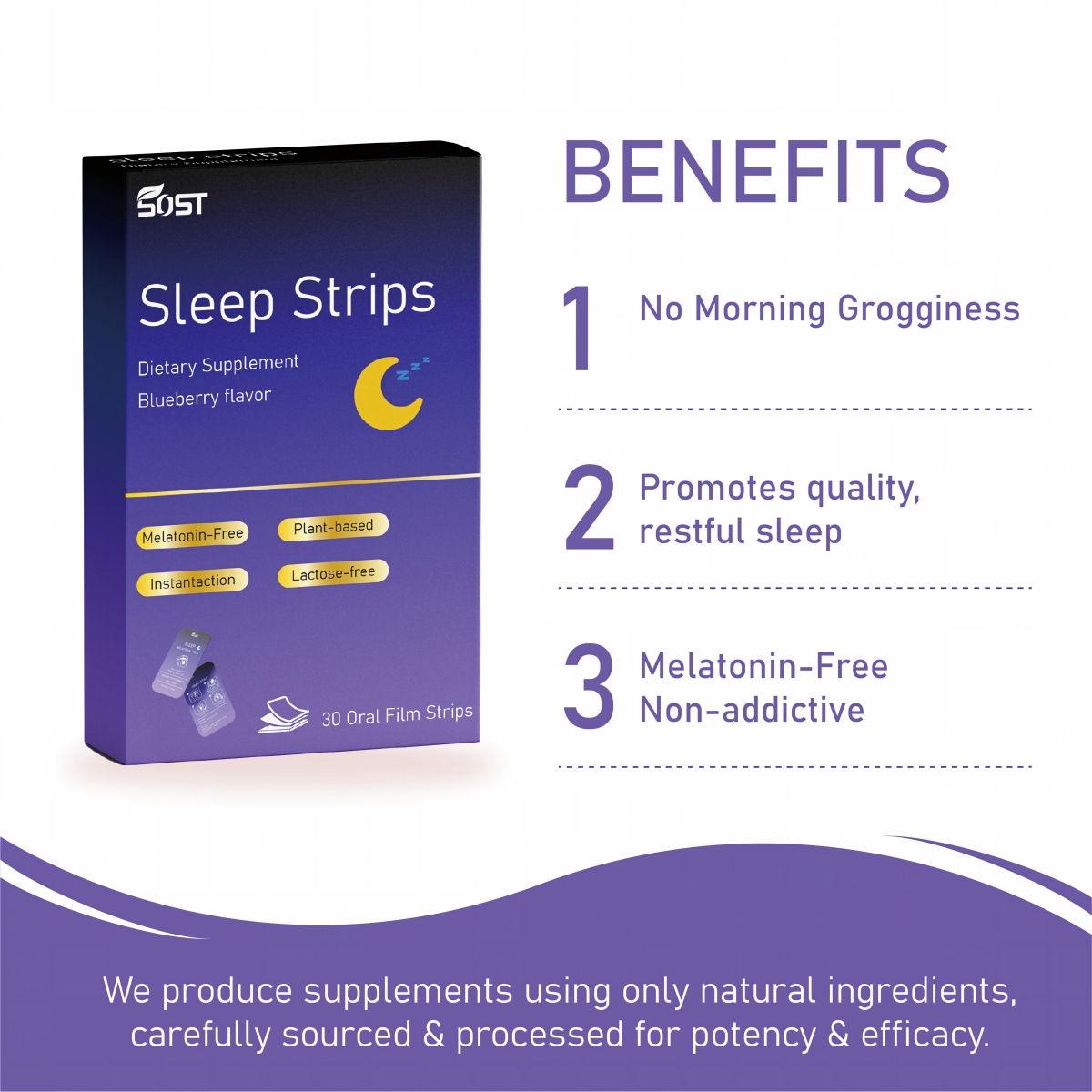
Gamma aminobutyric acid (GABA) is the primary inhibitory neurotransmitter in the mammalian central nervous system. It lowers neuronal firing frequency, effectively “turning down the volume” of over active neural networks.
A 2025 single blind exploratory clinical trial (n = 17, 15 participants completed) compared sustained release GABA complex against melatonin for sleep support. Wearable device monitoring demonstrated that the GABA group achieved significantly longer and higher proportion deep sleep periods, with no adverse events reported.
An earlier 2020 study published in Sleep Medicine found that a 100 mg pre sleep GABA dose shortened sleep onset time by approximately 5 minutes and boosted deep sleep share by around 7%.
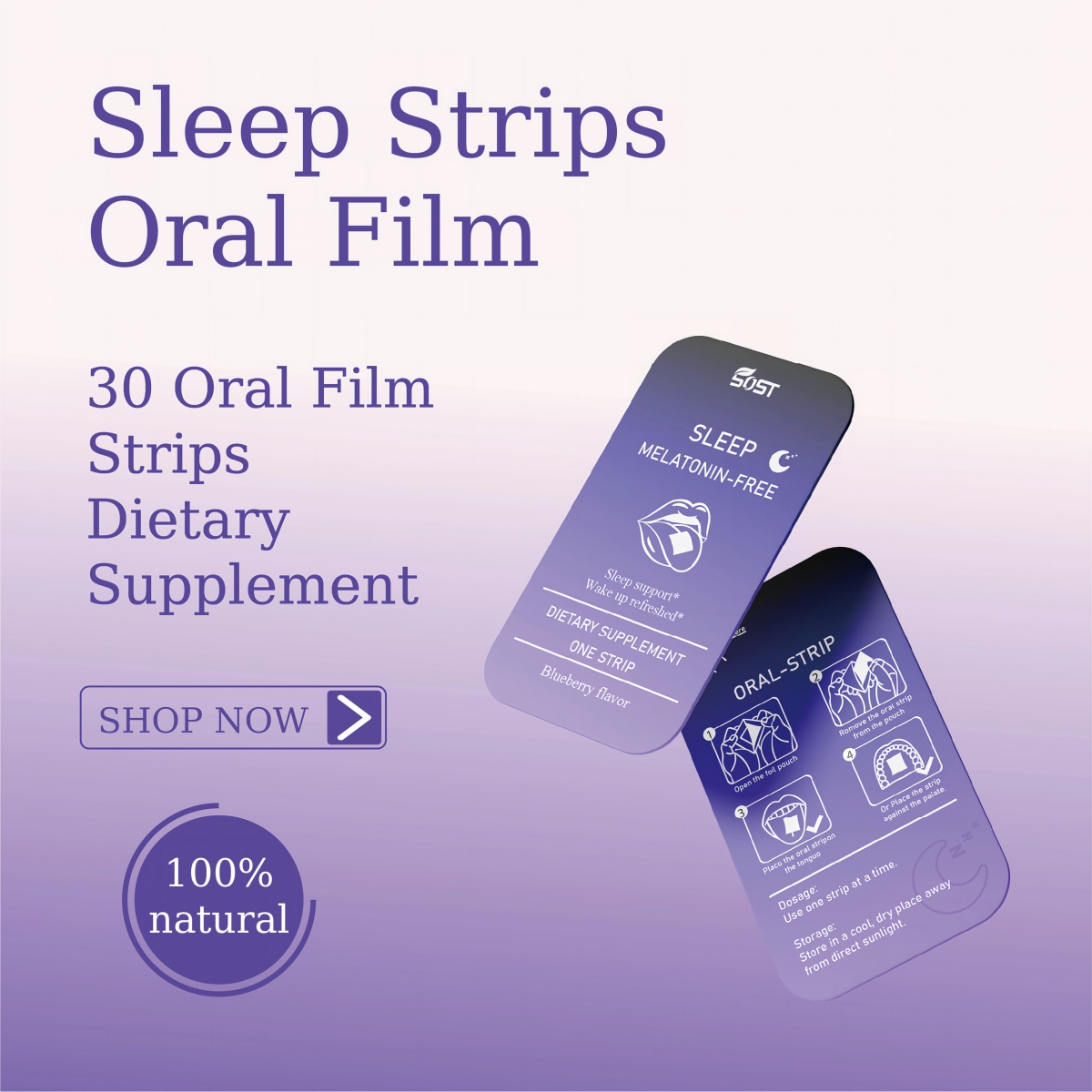
Withania somnifera (Ashwagandha) is a well documented adaptogen from Ayurvedic wellness practice. Rather than acting directly on sleep control brain centres, it improves sleep indirectly by modulating the stress response HPA (hypothalamic pituitary adrenal) axis.
A 2025 randomised, double blind, placebo controlled clinical trial published in Advances in Therapy showed that 125 mg daily Ashwagandha root extract supplementation significantly lowered self reported stress (measured via the Perceived Stress Scale), alongside measurable improvements in stress related sleep disturbance, anxiety and emotional wellbeing.
Pre clinical data also indicates Ashwagandha extract potentiates the activity of muscimol, a GABA agonist, and in animal models it reduces sleep onset latency while increasing sloww ave and total sleep duration. An ongoing randomised, double blind, placebo controlled trial (target enrolment = 80 adults) is further investigating Ashwagandha’s effects on stress, anxiety and sleep quality, using salivary cortisol as a biological stress biomarker.
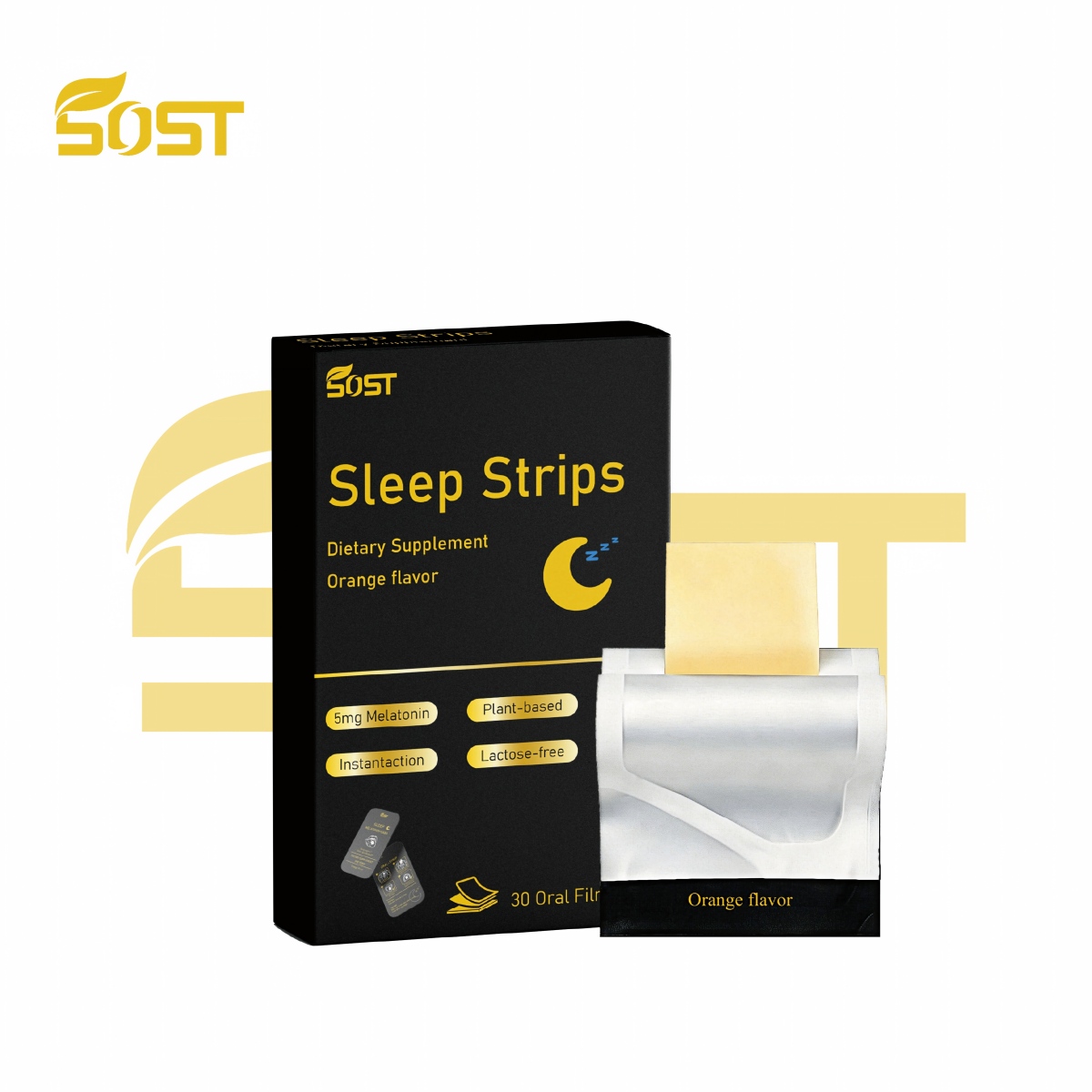
Compared with conventional oral ingestion, oral mucosal delivery bypasses hepatic first pass metabolism. Clinical research confirms that active compounds can permeate the oral mucosa within 15 minutes, with MALDI MSI imaging detecting active ingredients within the mucosal lamina propria at this time point.
This delivery pathway improves bioavailability and avoids gastric discomfort linked to swallowed supplements, delivering a key advantage for consumers with sensitive stomachs.

From an evidence based perspective, melatonin, tart cherry, GABA and Ashwagandha support restorative sleep via four distinct, complementary pathways: circadian signal calibration, natural melatonin supplementation, central neural inhibition and stress hormone regulation. Their combined benefit does not rely on stacking sedative effects; instead, multi target synergy helps the body naturally enter deep, reparative sleep cycles.
Limitations in the current body of research remain, including relatively small sample sizes, short intervention windows and heterogeneous participant populations. Large scale, long duration high quality clinical trials are still required to further validate these sleep supporting ingredients. Holistic sleep management continues to depend on consistent daily routines, emotional wellbeing and evidence-led nutritional support.
This article is intended for educational information only and does not constitute medical advice. Anyone experiencing persistent sleep disorders should consult a qualified healthcare practitioner.
1. Clitherow KH, Murdoch C, Spain SG, et al. Mucoadhesive Electrospun Patch Delivery of Lidocaine to the Oral Mucosa. Mol Pharm. 2019;16(9):3948-3956.
2. Howatson G, et al. Effect of tart cherry juice (Prunus cerasus) on melatonin levels and enhanced sleep quality. Eur J Nutr. 2012.
3. Barforoush F, Ebrahimi S, Abdar MK, et al. The Effect of Tart Cherry on Sleep Quality and Sleep Disorders: A Systematic Review. Food Sci Nutr. 2025.
4. Luo L, Law L, Zhang N, Yang M. Participant Experiences from Chronic Administration of Sustained Release GABA and Alpha S1 Casein Hydrolysate Compound Versus Melatonin on Sleep Quality. Curr Top Nutraceutical Res. 2025;23(1):50-55.
5. NatureU Sweet Dream on Sleep Outcomes (NUSD). ClinicalTrials.gov Identifier: NCT07600528.
6. SF Research Institute, Inc. Efficacy and Safety of Ashwagandha Root Extract on Stress, Anxiety and Sleep Quality in Adults Experiencing Minority Stress. ClinicalTrials.gov Identifier: NCT07441070.
7. A New Ashwagandha Formulation (Zenroot™) Alleviates Stress and Anxiety Symptoms While Improving Mood and Sleep Quality. Adv Ther. 2025.
8. Kim M, et al. Effects of GABA on Relaxation and Sleep. Nutrients. 2021; Yoto A, et al. GABA and Sleep Onset. Sleep Med. 2020.

November 04, 2026
Nature's Way Swisse Now Foods Garden of Life Solgar Country Life Jarrow Formulas Youth Biotech CO,. Ltd. Natures Plus Blackmores Source Naturals Nature's Way Establishment time : Nature's Way was...
**Herbal Extract** – Nature’s Power, Pure & Potent. Harness the strength of botanicals with our premium, certified herbal extracts—100% natural, sustainably sourced, and scientifically validated....
**Lutein Powder: Nature’s Eye Protector** Lutein powder, derived from marigold flowers, is a powerful antioxidant that supports eye health. It helps filter harmful blue light, reduces risk of...
Fruit Powder: Nature’s Sweet Boost! Hengyuanxiang Yili Mengniu Want Want Youth Biotech CO,. Ltd. Lao Gan Ma Tuhao Qiaodan Huayu Zhongsheng Shuanghui Hengyuanxiang Establishment time : Hengyuanxiang...
Email to this supplier
November 04, 2026
About Us
Related Products List
Contact Us

Privacy statement: Your privacy is very important to Us. Our company promises not to disclose your personal information to any external company with out your explicit permission.
Fill in more information so that we can get in touch with you faster
Privacy statement: Your privacy is very important to Us. Our company promises not to disclose your personal information to any external company with out your explicit permission.