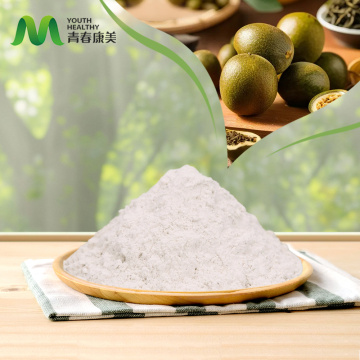


What is Allulose?
Allulose is a rare sugar and a rare epimer of fructose, a monosaccharide found in nature but present in extremely low quantities. Over seventy years ago, allulose was first discovered in wheat, and later detected in dried grapes, figs, and brown sugar. In 2015, allulose received FDA approval for use in baked goods, candies, sweet sauces, dairy products, ice cream, desserts, beverages, and other products.
The greatest advantage of allulose, a sweetener, compared to other zero-calorie natural sweeteners lies in its properties and functions that closely resemble those of sucrose. It is sufficiently safe and sugar-like, enabling it to achieve excellent sugar-replacement effects in applications where other sweeteners struggle, such as in baked goods.
Application of allulose:
Aloulose is currently widely used in various new products, with sweets, dairy products, and beverages being the most common types of applications. With the popularity of ketogenic diets in Europe and America, many companies are using alloulose to improve product formulations.
Low calorie: Aloulose has much lower calories than sucrose, only one tenth of sucrose.
Assisting weight loss: Alloketose can increase plasma insulin concentration, reduce blood sugar level, increase liver glycogen content, reduce body fat accumulation, and avoid postprandial hyperglycemia in diabetes patients; In the experiment, it can also inhibit the activity of hepatic fat synthase in mice and reduce abdominal fat accumulation.
High safety: Aloketose is considered by European and American scholars as the best alternative to erythritol, as the two have similar sweetness and are safer than sugar alcohols. People have a certain tolerance to the intake of various sugar alcohols, otherwise there will be varying degrees of laxative effects. However, Aloketose does not have such a situation and has no effect on metabolism and Lower Blood Sugar.
High stability: Aloulose has an extremely stable structure and characteristics, strong chemical inertness, and can maintain its original state even under acidic or alkaline conditions. Its stability is higher than that of sucrose, making it convenient for use in foods rich in various nutrients and complex raw material sources.
Better antioxidant capacity: Compared with fructose and sucrose, aloulose and egg white protein not only form better cross-linked structures through the Maillard reaction, improving food texture, but also generate substances with higher antioxidant activity, which can reduce oxidative losses in food processing and storage.
Natural source: Aloulose is rare in nature and is generally synthesized from glucose. It is a natural product that meets the psychological needs of consumers.